Begin with the property experience you want to create
Commercial holiday lighting should support the way people use the property. A restaurant may want a welcoming entry for evening guests, while a retail center, office, hotel, or dealership may need the display to read clearly from parking areas and public roads.
Start by naming the key moments: arrival, storefront, monument, patio, main walk, or event space. That gives the plan a purpose and keeps the budget focused on the areas tenants, customers, and visitors actually see.
- Storefronts and main entries
- Monuments, gatehouses, and approach signage areas
- Courtyards, patios, and tenant-facing walks
- Trees or rooflines that are visible from the street
Set the scope before the busy season
The strongest commercial plans are made before the holiday calendar becomes crowded. Early discussion gives a property manager time to coordinate with ownership, tenants, marketing, security, and any scheduled events that affect access.
Share the date the property needs to be ready, not just the month. That allows installation planning around promotions, grand openings, resident events, or a holiday market without asking a crew to work around a surprise.
Access and communication matter as much as the design
A good commercial installation plan identifies where crews can park, which entrances must remain open, and who can answer questions on site. It should also account for delivery windows, customer traffic, tenant operations, and any areas that cannot be blocked.
Send that information with the quote request instead of trying to solve it on installation day. Clear contact names and basic site rules help protect the schedule and make the work less disruptive to the property.
- Primary on-site contact and backup contact
- Approved work hours and access instructions
- Parking, loading, tenant, or event constraints
- Areas that need to stay open for customers or residents
Choose a display that stays on-brand
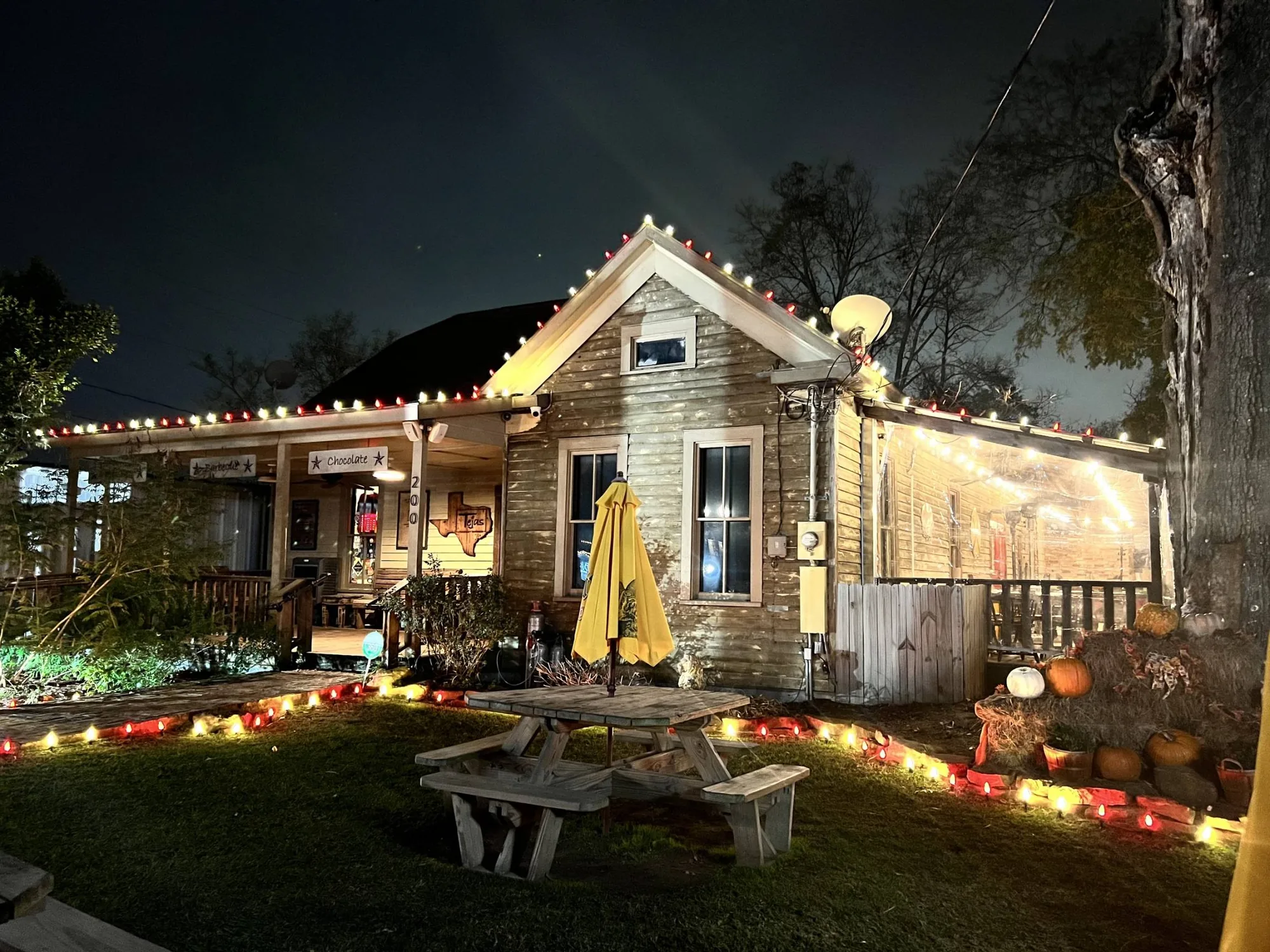
Commercial lighting does not need to copy a residential display. Warm white can give a polished, welcoming look for hospitality, offices, and mixed-use properties, while a controlled use of color can support a playful restaurant, retail, or community setting.
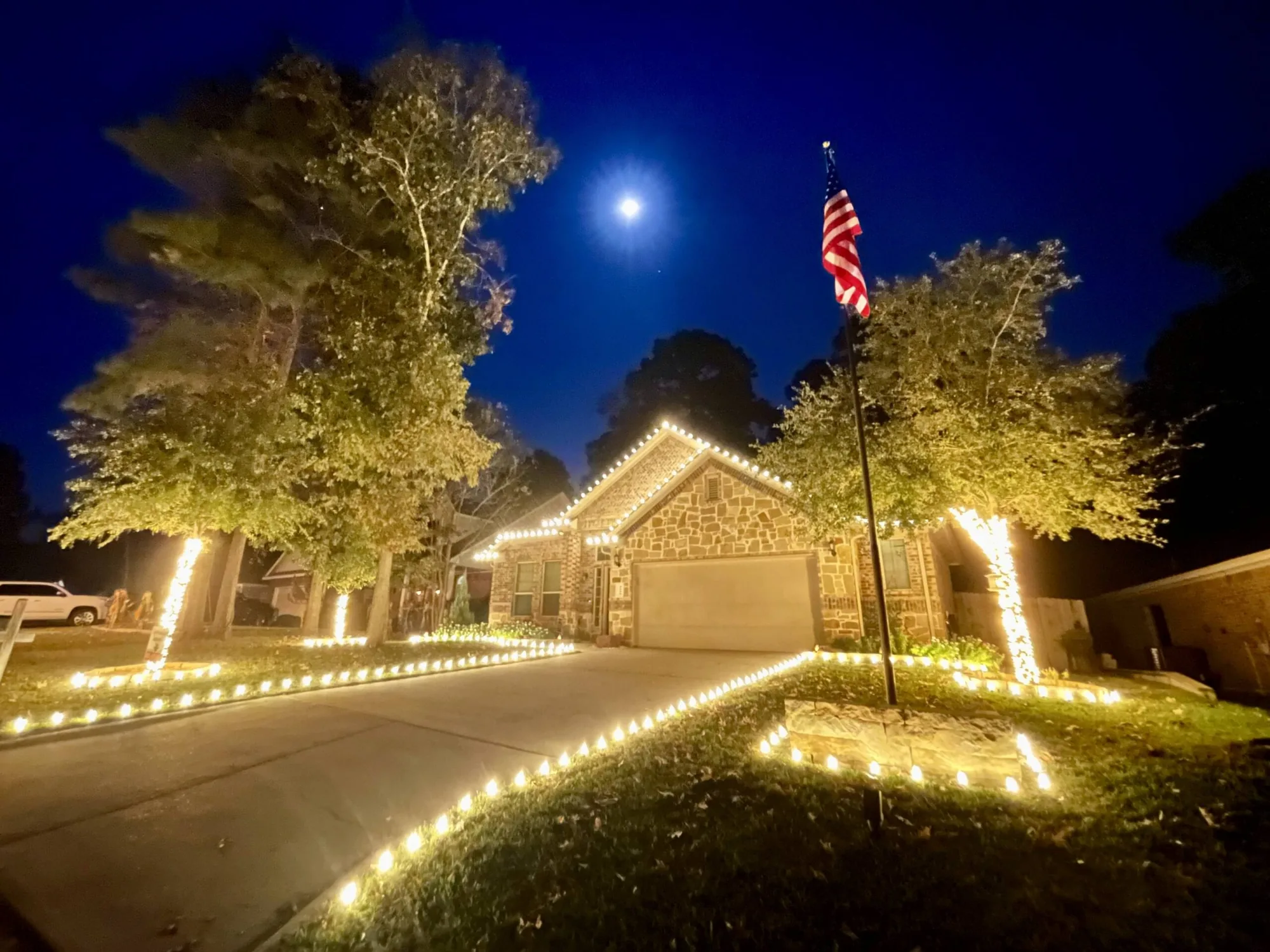
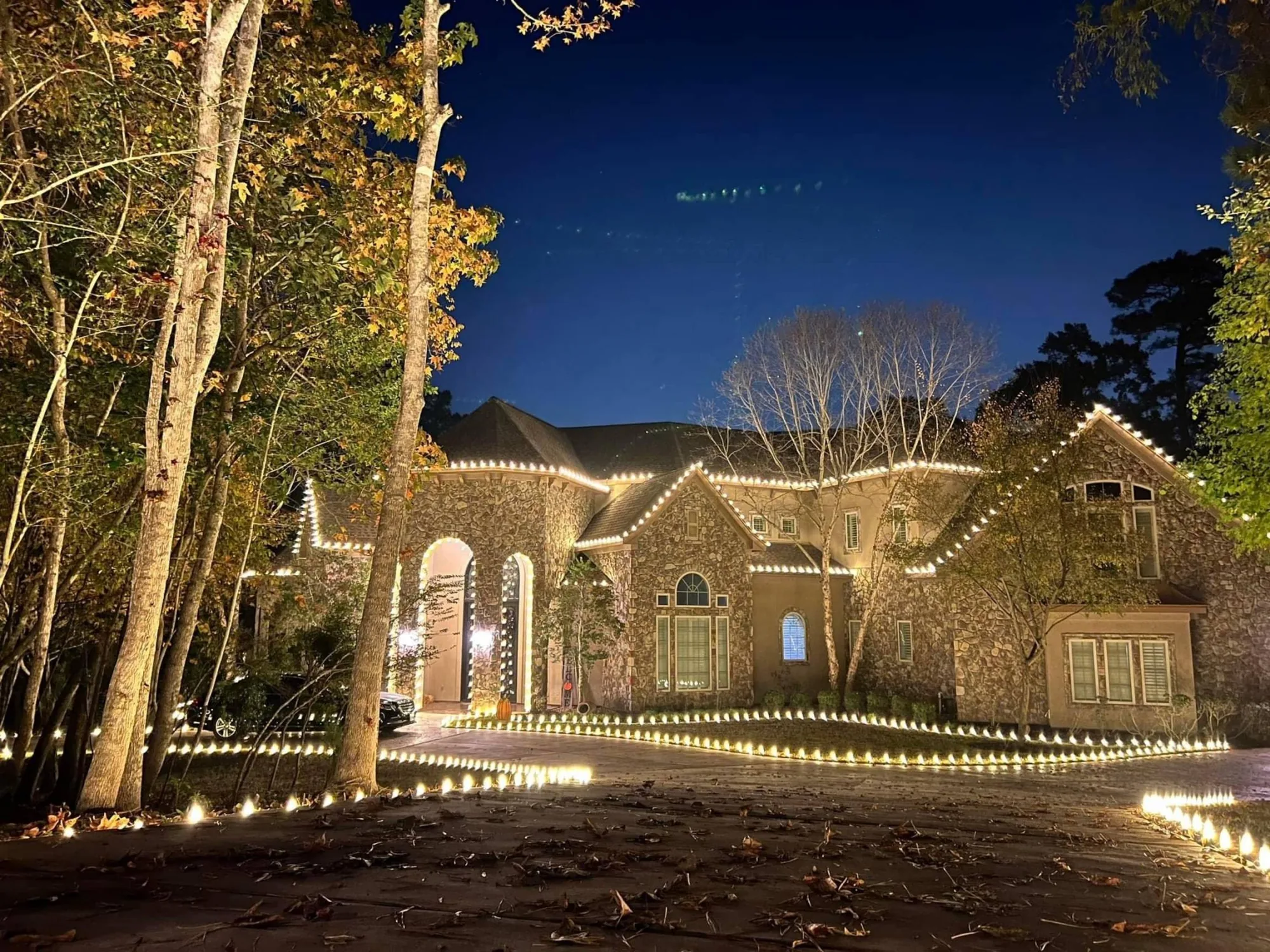
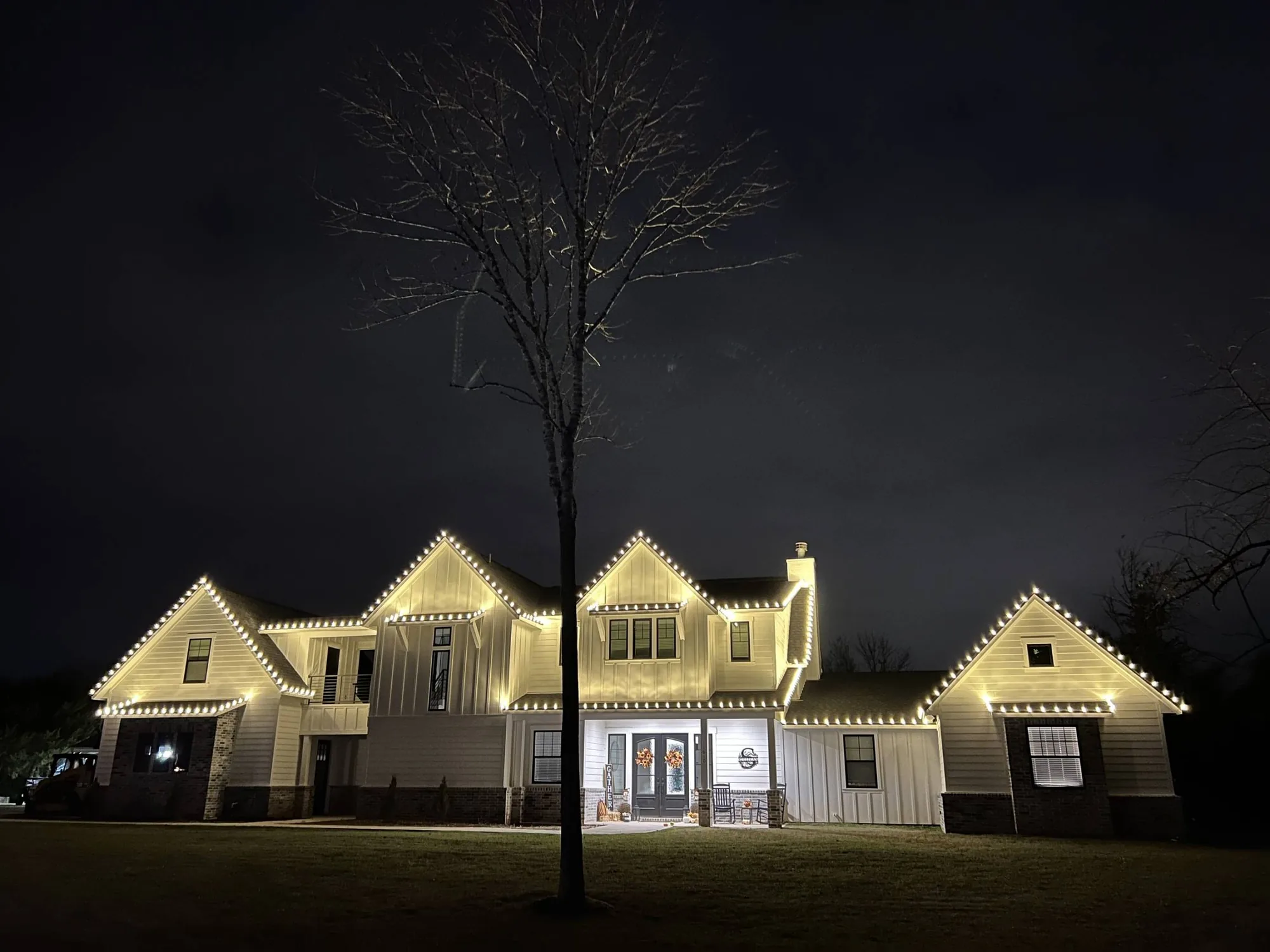
The cleanest result is usually a limited palette and a few visible focal points. Rooflines, wrapped trees, wreaths, garland, and landscape features should work with the property’s architecture and signage instead of competing for attention.
Plan for in-season service before you need it
For a manager, a light outage is more than a small cosmetic issue when it sits over an entrance or faces a busy road. Make sure the service arrangement is clear before installation so the team knows who should report an issue and how the property can be accessed.
Holiday Lights Texas includes free in-season maintenance in its all-inclusive price. Lighting problems are answered within 24 hours, seven days a week, which means the property does not have to find a ladder, replacement material, or a separate repair vendor.
Close out the season with removal and storage included
Removal deserves the same planning as installation. A commercial property needs a reasonable takedown window that works around tenant activity and the post-holiday return to normal operations.
Holiday Lights Texas handles removal, labels and packs the display, and stores it in the off-season. That gives the next season a cleaner starting point and keeps holiday material out of a maintenance room, vacant suite, or manager’s storage area.
Use the closeout as a quick record of what the property used and where it was placed. Notes about customer-facing areas, tenant feedback, event dates, and access challenges give next year’s planning conversation a useful head start.
This full-service approach keeps holiday lighting from becoming an extra facilities project. The manager can focus on the property and its occupants while one provider handles design, installation, seasonal maintenance, removal, and storage. For ownership, that creates a clear line of responsibility instead of a chain of calls between tenants, facilities, and a separate repair vendor. It also leaves a useful record for future planning, from the first lighting date to the removal window and the areas that received the strongest response. That continuity helps the property remain orderly and presentable throughout the holiday period.
Why a commercial display is planned differently
A home display is judged by a family and its neighbors. A commercial display is judged by customers, tenants, residents and passers-by, and it has to work for all of them at once. It needs to look welcoming, stay lit through the whole season and avoid creating problems for the people who work there.
That changes the planning. Building entrances, signage, parking areas and sightlines from the road all affect where lighting goes. A property manager also usually needs a single point of contact, a clear schedule and a plan for who to call when something goes dark, because the display is one of dozens of things on the list.
Questions to settle before you request a quote
Gather the answers to a handful of practical questions before you call. They make a quote faster and more accurate, and they help you compare companies on equal terms.
If you do not know an answer, say so. We would rather walk the property with you than guess.
- Who owns the decision, and who approves the budget?
- Which parts of the building or grounds should be lit, and which should not?
- Where are the outdoor outlets, and are they on timers or a building system?
- Are there lease, HOA or landlord rules about lighting, color or brightness?
- What dates do you need the display lit, and when should it come down?
- Who should be called if part of the display goes out?
Scheduling around operations
Commercial properties rarely have a quiet moment, so installation timing matters. Work near entrances, in parking areas or on roofs above walkways has to be planned so that customers and staff are not disrupted. We confirm dates with you in advance, and we plan access with the property in mind.
The same applies at takedown. You choose when the lights come down, and removal is covered by the price you were quoted at the start. There is no separate invoice for removal and no storage charge, which makes budgeting simpler for a property manager who has to account for every line.
Maintenance and accountability
A dark section on a commercial building is noticed quickly and reflects on the property. In-season maintenance is free, and service requests are answered within 24 hours, seven days a week. For a property manager, that clarity matters: one phone number, one response window and no ambiguity about who is responsible.
If you manage several properties, tell us. We can discuss how to coordinate dates and designs so that each location is handled consistently. Use the contact page or call (936) 499-8984 to start the conversation.
Budgeting for a commercial display
Our published pricing applies to commercial properties as it does to homes, with rates by linear foot and by tree strand. Because commercial buildings often have long, tall rooflines, the totals can be larger, and larger projects are scoped on site before final pricing.
For a rough idea, use the cost estimator with your measurements, then ask for a quote so we can confirm the details. We return quotes within 24 hours, usually the same business day.
A simple next step
If you manage a property and want to see what a commercial display would involve, the simplest first step is a short call. Tell us the address, which parts of the building you would like lit and the dates you need. We will explain how a site visit works, what the quote will cover and how we would coordinate with your staff, tenants and any building rules. There is no obligation, and quotes are returned within 24 hours, usually the same business day.
By the Holiday Lights Texas team, a family owned holiday lighting company based in Conroe, Texas. Published September 15, 2026, updated October 1, 2026. Every figure and policy referenced here is one the company publishes and honours on real properties. Where the company has not published a policy, this guide says so rather than guessing.
More in CommercialAll resources